
the silence
by Bragi Ólafsson
þögnin
the silence
finally then — but not
until then — at the end of summer,
when the excavators, saws, drills and high
pressure pumps were silenced,
were we able to go out in the yard
and sit down, as we had originally planned
when we bought the house, but then already
fall was beginning to settle in,
the sun not as high in the air
as in early june,
when the drills were switched on, and excavators
driven into the neighboring yards,
saws started up and high-pressure pumps
on the highest setting
Translated by K. B. Thors.
Originally appeared in, Circumference, Poetry in Translation.
The Wolves in South Iceland
by Kött Grá Pje
Wolves with glowing eyes wander the sands of south Iceland. They escaped from a dream. Nothing but trouble can come from the collision of consciousnesses. All insomniacs know this.
Translated by Meg Matich.
Café Review 2018 Summer Icelandic Issue
Our latest Summer 2018 Issue of The Café Review is a special issue centering around Icelandic poetry featuring poetry by Soffía Bjarnadóttir, Ragnheiður Erla Björnsdóttir, Vilborg Dagbjartsdóttir, Kristín Eiriksdóttir, Gyrðir Elíasson, Sigurlín Bjarney Gísladóttir, Einar Már Guðmundsson, Ingibjörg Háraldsdóttir, Ísak Harðarson, Þorvaldur Sigurbjörn Helgason, Dagur Hjartarson, Fríða Ísberg, Anton Helgi Jónsson, Elías Knörr, Gerður Kristný, Ingunn Lára, Hlín Leifsdóttir, Jón Örn Loðmfjörð (Lommi), Bragi Ólafsson, Ragnar Helgi Ólafsson, Kristín Ómarsdóttir, Óskar Árni Óskarsson, Sigurður Pálsson, Kött Grá Pje, Aðalsteinn Ásberg Sigurðsson, Magnús Sigurðsson, Sjón, Ingunn Snædal, Kristín Svava Tómasdóttir, Kári Tulinius, Linda Vilhjálmsdóttir, Hrafnhildur Þórhallsdóttir, and Sigurbjörg Þrástardóttir. Translations were possible thanks to the hard work of Áslaug Agnarsdöttir, Larissa Kyzer, Sigurður A. Magnússon, Bernard Scudder, Lytton Smith, K. B. Thors, Anna Yates, and Meg Matich. This issue features work by artists Michelle Bird, Elín Elísabet Einarsdóttir, Ragnar Jónsson and Helga Thorodssen. Special thanks to guest editors Meg Matich and Magnús Sigurðsson for making all of this possible.
As always, we are an all volunteer micro-pub producing printed publications quarterly from Portland, Maine. If you love our issues and work here online, support us by donating or subscribing. Without our subscribers, we would not exist!
Issue Introduction
The first poem that I learned as a child was said to have been contrived by an elf woman. I heard it from my mother, who never tired of telling me stories of the hidden world of the elves:
Ló, ló, mín Lappa,
sára ber þú tappa,
það veldur því, að konurnar
kunna þér ekki að klappa.
According to the story, Lappa was an elven-cow that appeared suddenly in the world of human beings. It was locked in a stall in a cowshed. In the human world, she became difficult to milk, but one evening, a voice outside of the barn window recited a poem of sorts to the cow. The creature, or creatures, that recited the verse then stroked the cow and called her by her name. After that, she became very easy to milk.
Poetry has been written in Iceland since its settlement over 1,000 years ago. Some say that Icelanders have, from the very beginning, had a proclivity for literary creation. In the sagas of the Icelanders, we’re sometimes told of poets who sailed to other countries and recited poetry for the king in exchange for payment. In these stories, it’s almost as if the same language was used in all countries across Northern Europe, and that everyone understood everyone else. In the present, on festive occasions, it’s sometimes asserted that modern Icelanders nonchalantly and happily read the old sagas and have no difficulty whatsoever understanding them.
That’s an exaggeration. Most modern Icelanders can only read the sagas of our ancestors in special editions with updated spelling and grammatical conventions, and “dróttkvæði” — ancient Iceland’s highly stylized verses — are even less understandable. This also seems to have been the reality in our national past. When we dive into the histories of our poets, it’s clear that foreign kings didn’t necessarily or consistently understand the Icelanders’ poetic creations and even paid them to refrain from reciting — just as often as to recite — their poems.
Modern Icelanders want to believe that they understand the old poets. It reminds me of a belief in elves. Throughout the ages, folk belief has transmitted the notion that beings — very similar to human beings — reside in Iceland’s hillocks and hillsides. Those are the hidden people, the elves. In reality, nobody believes in the hidden world anymore, but nobody wants to deny their existence either. There’s a certain temptation to believing in fictional worlds.
Icelanders also believe that not only the kings, but also the people of foreign lands wanted to listen to them and could, in point of fact, understand them. These days, poets and authors travel around the globe with their creations. Authors that write crime novels full of twists and turns draw the most attention, and are, in that way, alike the authors of the old Icelandic sagas — but a certain number of poets have also seen their work travel the world.
Which raises the question: is there something idiosyncratic about Icelandic poetry? What characterizes Icelandic poets?
Poetry Excerpts from this Issue
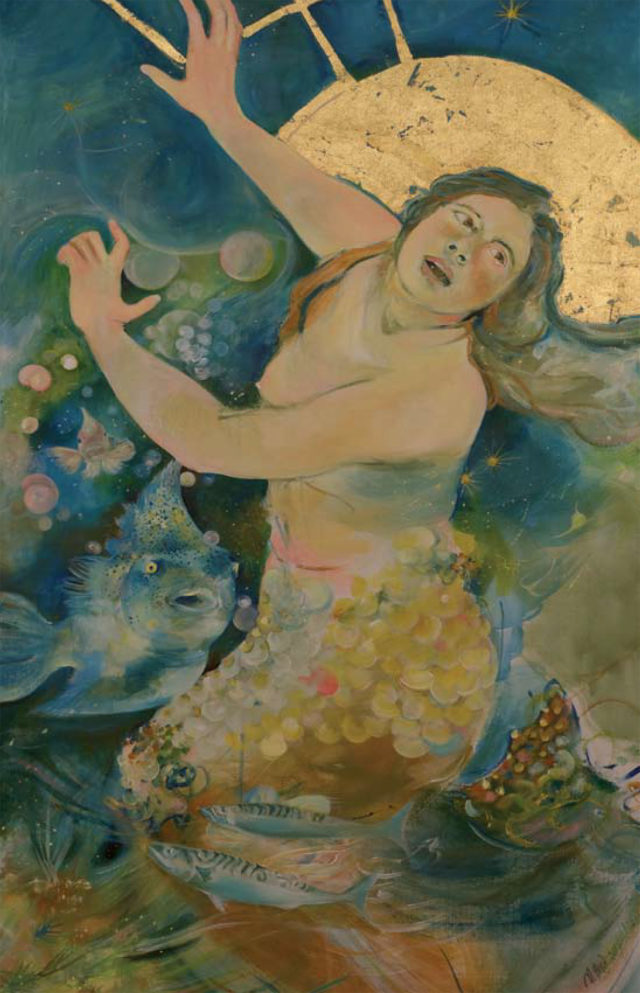
The Deep
the silence
The Wolves in South Iceland
2007
Poetry
Honey
Glade
Untitled
On the Tray
The Colors in my Dollhouse
Poetry
A consolation for those
01:45
The love of women
A Depiction of a Spurned Lover
Migration
Friend
Decision
Study
Tools
Victory
Reykjavik
berry picking
contact
picture of a living room
the story of me
New Year’s Eve
Passé 3: Romantic Poem about Capitalists of the Past
Oral Exam in Active Civic Engagement
Tabula Rasa
Untitled
Third November Poem
Woman
Nature Poem
daybreak
human science
PoemDaddy
Contemporary
Doomsday
Reflections on the Law of Causation
Serenity
Calming the Herd
Philosophy of Existence
Kindness
My House
The Names
Garage
Idiot
A Summer Day
Ode to the Moon
Wind Season
MRI
I climb down to the earth
Untitled
Queer mourners
Untitled
Untitled
Untitled
Untitled
Untitled
Burning Smell
Fire Mother
Fragile Things
Undirdjúpin
Imbalance
Turning Points
Girl in a fish-workers’ hostel
Definition
Rhapsody
hekla
Bus Stop
An Old Classmate
Poetry Service Inc.
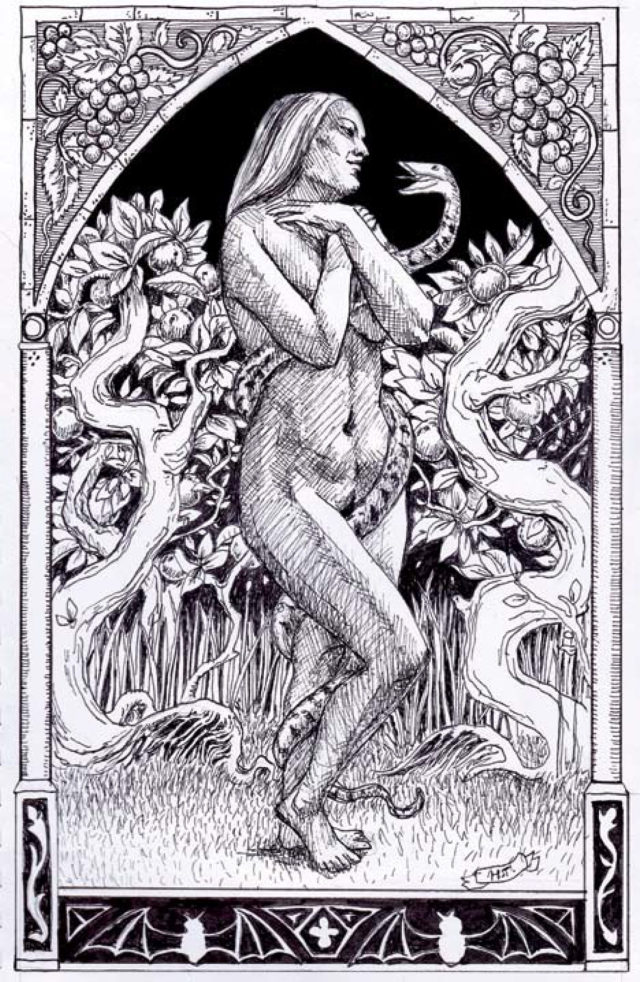
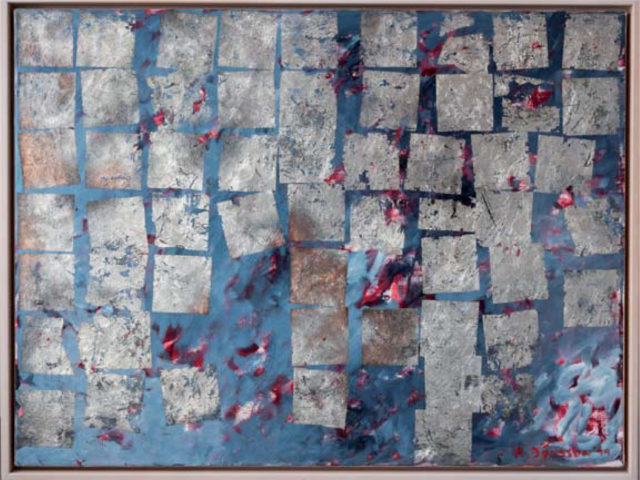
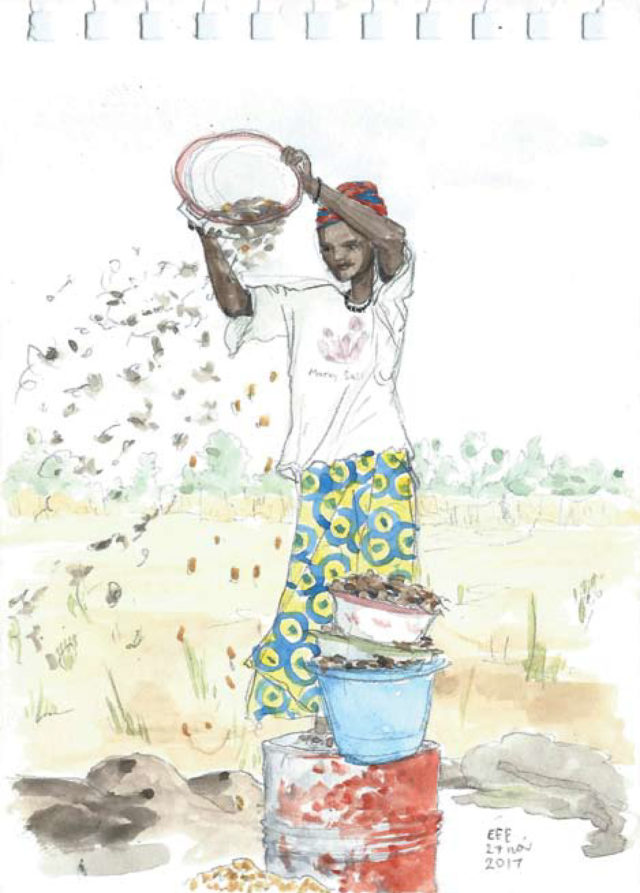
Artist Biographies
Poet Biographies
Speak, but be cautious
Sigurbjörg Þrastardóttir
Hrafnhildur Þórhallsdóttir
Linda Vilhjálmsdóttir
Kári Tulinius
Kristín Svava Tómasdóttir
Ingunn Snædal
Sjón
Aðalsteinn Ásberg Sigurðsson
Kött Grá Pje (Atli Sigþórsson)
Sigurður Pálsson
Óskar Árni Óskarsson
Kristín Ómarsdóttir
Ragnar Helgi Ólafsson
Bragi Ólafsson
Jón Örn Loðmfjörð
Hlín Leifsdóttir
Ingunn Lára
Gerður Kristný
Elías Knörr
Anton Helgi Jónsson
Fríða Ísberg
Dagur Hjartarson
Þorvaldur S. Helgason
Ísak Harðarson
Ingibjörg Haraldsdóttir
Einar Már Guðmundsson
Sigurlín Bjarney Gísladóttir
Gyrðir Elíasson
Kristín Eiríksdóttir
Vilborg Dagbjartsdóttir
Ragnheiður Erla Björnsdóttir
Soffía Bjarnadóttir
Magnús Sigurðsson
Guest Editors and Translators
Anna Yates
Anna Yates: holds degrees in history from Bristol University, and in Icelandic from the University of Iceland, and is a certified legal translator. She worked for some years as a journalist and translator for Iceland’s leading English-language publisher, Iceland Review, before going freelance. She is the author of Leifur Eiriksson and Vinland the Good, republished as The Viking Discovery of America. She translates extensively from Icelandic into English. In addition to fiction, her translations include a wide range of books and projects about Iceland and its nature, history, and arts.
K. B. Thors
K. B. Thors: is an Icelandic-Ukrainian poet from rural Alberta, Canada. Her debut collection Vulgar Mechanics will be published by Coach House Books in 2019. Her translation of Stormwarning by Kristín Svava Tómasdóttir won the American Scandinavian Foundation’s Leif and Inger Sjöberg Prize — a bilingual edition was published by Phoneme Media in Spring 2018. A chapbook of her Spanish-English translation of a Chintungo: The Story of Someone Else by Soledad Marambio is available from Ugly Duckling Presse.
Lytton Smith
Lytton Smith: received his Ph.D. and M.F.A. from Columbia University and has been a member of the SUNY faculty since 2014; he is a member of the Creative Writing and Black Studies faculties. He often teaches Advanced Poetry Workshop, 20th Century Black Poetry Book, NeuWrite: Creative Science Writing, Art Talks, and Writing, and Knowing the Land: Abroad in Iceland (co-taught with Dr. Nick Warner from the geology department), among others.
Bernard Scudder
Bernard Scudder: (1954–2007) was an award-winning translator of Icelandic literature, including the works of Arnaldur Indriðason, Yrsa Sigurðardóttir, Guðbergur Bergsson, and Einar Már Guðmundsson. He was also one of the team that produced the English translation of the Complete Sagas of Icelanders.
Sigurður A. Magnússon
Sigurður A. Magnússon: (1928–2017) was an Icelandic author, translator, and editor, as well as a critic and journalist. He published manifold poems, plays, travel books, memoirs, and short stories in his lifetime. He began to publish in 1953, and in 1980 received the DV Cultural Award. For many years, he worked as a journalist in Iceland and for the United Nations. He was formerly the director of the Iceland Writer’s Union and Amnesty International in Iceland. He was on the panel of the Nordic Council Literature Prize for nine years.
Larissa Kyzer
Larissa Kyzer: is a writer and translator who was awarded a 2012 Fulbright grant to Iceland. Her translations include a collection of horror stories written by six to eight-year-old Icelandic schoolchildren, as well as fiction and poetry by many Icelandic authors. Her translations have appeared in CV2, Gutter, Ós — The Journal, Words and Worlds, Lunch Ticket, and Exchanges; and are forthcoming in Quiddity. She earned her Master’s degree in Translation Studies from the University of Iceland in 2017 and now lives and works in Brooklyn.
Áslaug Agnarsdöttir
Áslaug Agnarsdöttir: is a librarian and a translator of fiction, mainly from Russian. Her translated authors include Sergei Dovlatov, Andrei Kurkov, and Leo Tolstoy. Her latest published work is Stories from Russia, a collection of Russian 19th century short stories.
Magnús Sigurðsson
Magnús Sigurðsson (b. 1984), who collaborated on this anthology, is an acclaimed poet and literary translator. His translated authors include Ezra Pound, Naomi Shihab Nye, Adelaide Crapsey, and Emily Dickinson. Cold Moons, his book of poems, was published in the U.S. in 2017 by Phoneme Media (Translated by Meg Matich).
Meg Matich
Meg Matich (www.meglenska.com) loves Iceland and has published her translations of Icelandic writing widely. She received the PEN Heim Translation Fund grant for her translation of Magnús Sigurðsson’s Cold Moons (Phoneme Media, 2017). She’s received grants and fellowships from the Fulbright Commission, the Icelandic Literature Centre, the Banff Centre, and Columbia University, among others. Meg is the unabashed co-founder of Rauða Skáldahúsið (The Poetry Brothel Reykjavik).