


My House
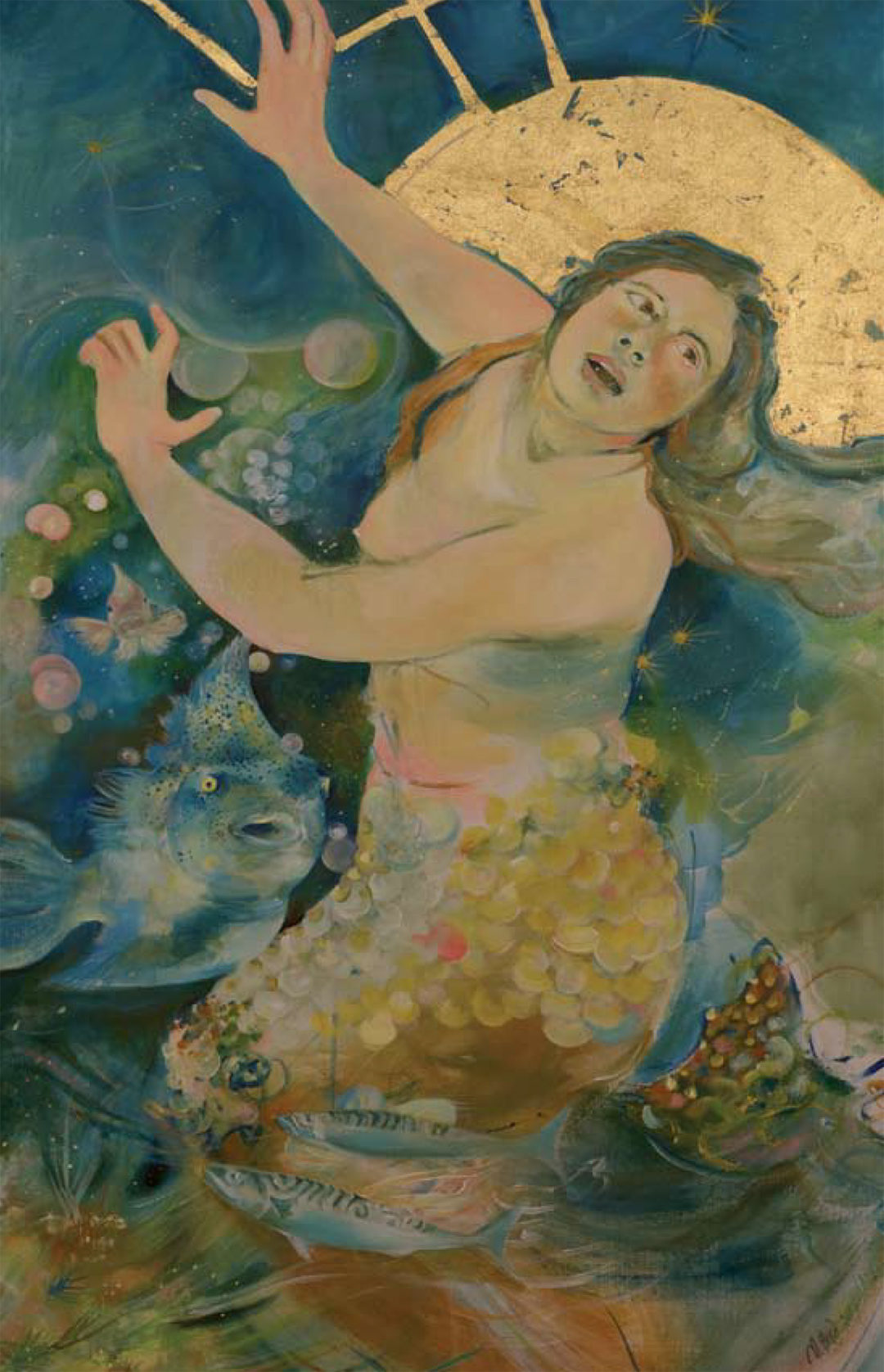
by Sigurður Pálsson
Húsið Mitt
My House
There is almost nothing missing
from my house
almost nothing
The chimney’s missing
That grows on you
The walls are missing
and pictures from the walls
Take that as it is
But it’s cosy, my house
Please
There’s not much missing
from my house
The chimney’s missing
and the windows
and the door
Have a seat
Don’t be scared
We’ll have a bite
Break the bread, sip the wine
Light a fire in the hearth
Look at
no, admire the pictures
on the walls
Please
go in through the door
or the windows
if not just walls
Translated by Bernard Scudder.
Originally appeared in Icelandic Poetry by Bernard Scudder,
published by Saga Forlag, EHF.
The Names
by Kött Grá Pje
As usual, the phone rings at exactly 9PM. You answer, say your name and hello,
but don’t expect the caller to say anything. He never does. But this time she says
hello. It sounds like a young woman. You ask her name and she begins to rattle
off a list of names. Male and female. You quickly realize that she’s naming
historical figures. And characters from novels. You hang up. It’s three minutes
after nine. The phone rings again. Please don’t hang up on me, the caller pleads.
You promise not to. She picks up where she left off with her list of names. You
don’t know all of them, but enough to know that she’s reading from the same list
as before. She lists names into the night. You fall asleep on the phone. When you
wake up in the middle of the night, she’s hung up. She never calls again. Her job
is done. No more names. You’ll miss her silent calls. That’s just something you’ll
have to live with.
Translated by Meg Matich.
Garage
by Kött Grá Pje
The kids were dragged out of bed, their feet shoved into shoes, and led around
the village in pajamas to the garage where emergency rescue kept their jeeps and
snowmobiles. Once they got there, there was a headcount. Yes, everyone’s here
except Anna Möllu who’s in Akureyri visiting her grandma. With that, the kids
were herded into the garage. Some of them cried, tired and confused, in a bit of
an uproar. None of the adults said anything. Kids called their parents’ names, but
none answered. Once they were all securely inside, the doors were closed and
padlocked. Then the adults laid down on their backs and looked up at the sky.
They seemed not to hear the cries of their children in the garage, or the banging
on the door and window panes. The kids tried to break the panes with tools, but
the plastic was too strong and they themselves to weak. The hullabaloo
continued well into the morning until the last kids were so exhausted from
crying, calling out, and banging on the door that they collapsed. For a while, a
deep calm pervaded the town. A single seagull squawked down by the harbor.
Finally the mail car arrived. Then the adults got to their feet. But they didn’t
open up the warehouse. It was never opened again. One fine day, the town
wasn’t there anymore. Just like that, nothing but ruins. A padlock in the grass.
Translated by Meg Matich.
Idiot
by Sigurbjörg Þrástardóttir
An idiot follows me around
every day, it makes faces and flycatches
cutlery,
climbs silently in my curtains, nobody
sees it but me
but without delay, to avoid any misunderstanding: I
love my idiot
But I hate it when it
sleeps
or mocks or even pantomimes me, ruthlessly, which
happens (a lot), but he’s muscular (note: this
is a male idiot) and he oozes
good looks and bodily graces — sometimes it’s like he’s
missing some teeth, his eyes are
empty
[nobody can fornicate with my
idiot (it feels nothing) but he can
have a quickie, but only with me
— that sounds unfair but works fine]
*
my idiot wears a white, well smudged,
17th century cotton tunic,
very loose
so you can eye the iridescent chest, nipples,
and his hair is short (yes, his is the
correct pronoun)
it is good to have
an idiot
when the days rive, when dreams
crack, when a young woman faces
unpassable problems,
peculiar choices —
then I look at my idiot, sitting on his haunches
in a tight corner,
grinning, flashing his gums,
rolling his eyes
I wouldn’t make it otherwise, without
his guidance, you know, support
he
anoints my feet with balm
when we are alone, parts my
shiny knees
*
I don’t know if many idiots
are mute, like mine (one stutters, another
rolls the rs . . . ) but
I’d never think of
complaining
he is the only one
who knows what sort of darkness I like to sleep in
and he’s
totally dependent on me for food
Edited by Meg Matich.
Translated by Sigurbjörg Þrástardóttir.